Wooden Boat Kits with Detailed Instructions for Perfect Builds

Saturday, December 7, 2024

Wooden Boat Kits with Detailed Instructions for Perfect Builds

Unlocking the Perfect Wooden Boat Kit: Beyond the Blueprint

Building a wooden boat from a kit is a rewarding journey, a blend of meticulous craftsmanship and the thrill of creation. But beyond the glossy photos and promises of “easy assembly,” lies a world of nuanced challenges and unexpected opportunities. This article delves beyond the typical build guides, exploring lesser-known aspects to help you navigate your project towards a truly exceptional outcome.

The Unsung Heroes: Material Selection & Preparation

Most kits provide the lumber, but the quality can vary dramatically. Thinking you’re saving money by choosing a cheaper kit could lead to costly mistakes down the line.

Q: How can I ensure top-notch wood for my project, even with a pre-packaged kit?

A: Don’t just accept the wood as is! Before you even begin assembly, meticulously inspect each piece. Look for knots, cracks, and warping. Consider upgrading to a higher-grade wood if your budget allows. Remember, wood is a natural material; its characteristics influence the boat's performance and longevity. Think of it like choosing the right ingredients for a gourmet dish â€" superior ingredients translate to a superior result. Some suppliers offer wood grading certifications (like those from the American Lumber Standard Committee) that provide a quantifiable measure of quality.

Q: What often-overlooked steps in wood preparation significantly impact the final product?

A: Acclimatization is key. Allow the wood to adjust to the temperature and humidity of your workshop for several weeks before assembly. This prevents warping and cracking during the build. Beyond that, consider the grain direction. Understanding the wood's grain is crucial for both strength and aesthetics. Properly planing and sanding surfaces not only improve appearance but also ensure a tighter fit and smoother finish. This might seem basic, but careful preparation pays off immensely.

Beyond the Instructions: Improvisation and Innovation

While instructions are invaluable, they don’t always account for individual variations or unforeseen circumstances.

Q: How can I personalize my kit boat while maintaining structural integrity?

A: Many kits offer options for customization. Consider adding decorative elements, upgrading the hardware, or even incorporating unique design features. Remember, however, that any modifications need to be carefully considered. Consult with experienced boatbuilders or utilize online forums for advice before making significant alterations to the design.

Q: What creative solutions can overcome common kit-building challenges?

A: Let’s say you encounter a slight misalignment during assembly. Instead of forcing a fit (which risks damage), consider using flexible epoxy filler or carefully adjusting the pieces with fine-grained sandpaper and patience. Documenting your solutions and sharing them online could prove incredibly valuable to the wider community of wooden boat enthusiasts.

The Finishing Touch: Protection & Preservation

The final finish is what transforms a collection of wooden planks into a beautiful, seaworthy vessel. This is where many builders fall short.

Q: What are some innovative finishing techniques that go beyond standard varnish?

A: Explore different types of marine-grade finishes, like epoxy coatings or specialized varnishes offering UV protection. Consider using environmentally friendly alternatives like natural oils or tung oil, especially if the boat will primarily be used in freshwater environments. Remember, the longevity and aesthetics of your boat are directly tied to the quality and application of your finishing techniques.

Q: How can I preserve my boat for years to come?

A: Proper storage is crucial. Keep your boat sheltered from the elements, ideally in a dry, well-ventilated space. Regular maintenance, including cleaning and applying touch-up coats of finish, is essential to prevent deterioration. Consider UV-protective covers during periods of prolonged sun exposure.

Building a wooden boat kit is more than just following instructions; it's a journey of discovery, problem-solving, and ultimately, immense satisfaction. By paying attention to the often-overlooked details, embracing creativity, and prioritizing quality, you can craft a truly exceptional boat â€" a testament to your skill and dedication.

Read More..

How to Make a Wooden Boat for Fun and Relaxing Water Activities

How to Make a Wooden Boat for Fun and Relaxing Water Activities

Beyond the Plans: Unconventional Approaches to Wooden Boatbuilding

"How to Make a Wooden Boat for Fun and Relaxing Water Activities" â€" the title alone evokes images of sun-drenched days and tranquil waters. But the reality of boatbuilding, particularly for the novice, can be daunting. This review isn't about reiterating the standard build process; instead, we'll delve into less-explored aspects, offering fresh perspectives for hobbyists, craftsmen, and educators alike.

Beyond the Traditional: Questioning the "How"

Most woodworking books offer detailed plans. But what if we flipped the script? What if the "how" wasn't prescribed but discovered?

Q: Can reclaimed wood redefine boatbuilding aesthetics and sustainability?

A: Absolutely! The rise of sustainable practices necessitates a shift. Instead of relying solely on new lumber, consider incorporating reclaimed wood. This not only reduces environmental impact (source: Journal of Cleaner Production, numerous articles on sustainable wood sourcing) but also introduces unique character and patina to your boat. Think of the stories embedded in old barn wood or salvaged railway sleepers! The challenge lies in proper assessment of the wood's strength and suitability (structural integrity testing would be essential). A beautifully imperfect boat, crafted from history, becomes a conversation starter.

Q: How can digital fabrication revolutionize the traditional boat-building process?

A: CNC routers and 3D modeling software are transforming many crafts, and boatbuilding is no exception. Precise cutting, complex curves, and custom designs become significantly easier to achieve. While initial investment might be high, the accuracy and efficiency offered can reduce construction time and waste (reducing material costs over time). This allows for experimentation with unconventional hull shapes and designs, leading to potentially more efficient and stable vessels. Data from CNC router manufacturers show significant time savings compared to hand-tool methods. (Source: Manufacturer websites, case studies).

The Human Element: Rethinking the "Why"

The "why" behind building a wooden boat is often overlooked. It’s more than just a hobby; it's a journey.

Q: How can collaborative boatbuilding foster community and learning?

A: Imagine a community workshop where multiple individuals contribute their skills â€" from carpentry to sailing â€" to build a single boat. This collaborative approach creates a powerful learning environment, fostering mentorship and shared knowledge. The sense of accomplishment extends beyond the individual, strengthening community bonds (similar to barn raising traditions). Educational institutions could leverage this model to engage students in interdisciplinary projects, integrating design, engineering, and environmental studies.

Q: Can a wooden boat become a platform for artistic expression?

A: Beyond functionality, a wooden boat can be a canvas. Intricate carvings, painted designs, and unique finishing techniques can transform a boat into a moving work of art. Consider incorporating local art styles or collaborating with artists to create truly unique vessels. This adds a new layer of value and personalization, transforming the boat into a testament to creativity and craftsmanship.

Beyond the Finish Line: Embracing Imperfection

Finally, let’s challenge the notion of a "perfect" boat.

Story: I once met a seasoned boatbuilder who told me about his first boat. It wasn't structurally sound, but it taught him invaluable lessons. The imperfections became part of the story, each flaw a testament to his journey.

Embrace the learning process. Celebrate the imperfections, for they are often the most memorable parts of the experience. Document your journeyâ€"the challenges overcome, the skills learned. Your "imperfect" boat will hold a unique value far beyond a factory-made vessel. The lessons learned, the skills honed, and the memories madeâ€"these are the true rewards of wooden boatbuilding.

Ultimately, "How to Make a Wooden Boat for Fun and Relaxing Water Activities" is less a manual and more a springboard for exploration. By challenging conventional approaches and embracing creativity, you can embark on a unique and profoundly rewarding experience.

Read More..

Best Practices for Wooden Boat Making for Longevity and Durability

Friday, December 6, 2024

Best Practices for Wooden Boat Making for Longevity and Durability

Unlocking the Secrets to a Century-Old Sail: New Perspectives on Wooden Boat Longevity

Building a wooden boat is a labor of love, a testament to craftsmanship that can last generations. But achieving that century-long lifespan requires more than just skill; it necessitates a deep understanding of wood's nature and the subtle ways it interacts with its environment. This article dives beyond the typical advice, exploring unconventional approaches and fresh insights to build boats that not only endure but truly thrive.

The Unsung Hero: Understanding Wood's Microbiome

We often focus on the macroscopic â€" the choice of wood, the joinery, the finish. But what about the microscopic world thriving within the wood itself? Recent research highlights the role of the wood's microbiome â€" the complex community of fungi, bacteria, and other microorganisms â€" in its decomposition and preservation.

Q: Can we harness the power of beneficial microbes to enhance wood durability?

A: Absolutely! While we typically focus on eradicating all microbes (which can be counterproductive), research suggests that certain fungi can actually inhibit the growth of wood-rotting fungi. Introducing these "good" microbes, perhaps through pre-treatments or through the use of naturally occurring wood preservatives rich in beneficial fungi, is an exciting area ripe for exploration. Think of it as probiotics for your boat! We need more research, but the initial findings are promising. This research isn't widely discussed yet in boatbuilding circles, representing a genuinely new perspective.

Beyond Epoxy: Exploring Alternative Bonding and Sealing Techniques

Epoxy is the ubiquitous choice for bonding and sealing, but its environmental impact and long-term behavior are concerns for some. What are the alternatives?

Q: What are some sustainable and effective alternatives to epoxy for wooden boat building?

A: Several options present themselves, though each requires careful consideration of the specific application. For instance, certain naturally derived resins, like those from certain tree species (with appropriate testing to ensure compatibility with the target wood), hold potential as eco-friendly bonding agents. Furthermore, advanced bio-based polymers are constantly under development, offering a promising pathway towards sustainable high-performance adhesives. Traditional methods, such as carefully executed mortise and tenon joints combined with natural oils, may also be rediscovered and refined for modern applications. The key is to meticulously investigate the properties and suitability of each alternative relative to strength, longevity, and environmental impact.

The Forgotten Art of Wood Selection: Going Beyond the Usual Suspects

We often hear about teak, oak, and cedar, but what about less common, yet potentially more resilient woods?

Q: Are there underutilized wood species that could offer superior longevity?

A: Undoubtedly! Many tropical hardwoods, like certain species of eucalyptus or Iroko, possess natural resistance to rot and insects far exceeding more traditional choices. Moreover, investigating locally sourced, sustainably harvested woods is crucial, not only for environmental reasons but also to reduce the carbon footprint associated with transportation. Thorough research into a region's native hardwoods, combined with rigorous testing for their suitability in marine environments, could yield surprisingly robust and environmentally responsible boat-building materials.

A Real-World Example: The Case of the "Resilient Mermaid"

Consider the "Resilient Mermaid," a small fishing boat built in the 1930s using locally sourced cypress and a unique, naturally derived sealant passed down through generations of boatbuilders in a small coastal community. This boat, despite minimal maintenance, is still seaworthy today, a testament to the power of traditional knowledge coupled with clever material selection. Its longevity is a strong argument for researching and implementing time-tested, possibly "forgotten," techniques in conjunction with new scientific insights.

Conclusion: Building a long-lasting wooden boat involves embracing both traditional wisdom and the latest scientific advances. By exploring unconventional wood species, investigating the potential of beneficial microbes, and considering sustainable bonding agents, we can create boats not only beautiful in their craftsmanship but also resilient enough to grace the waters for a century and beyond.

Read More..

Free Wooden Boat Plans for Crafting a Sturdy Watercraft

Free Wooden Boat Plans for Crafting a Sturdy Watercraft

Beyond the Blueprint: Unveiling Hidden Potential in Free Wooden Boat Plans

The internet brims with free wooden boat plans, promising a journey into DIY maritime marvels. But are these plans simply blueprints, or untapped reservoirs of creative potential? This article delves beyond the surface, exploring often-overlooked aspects of utilizing free plans to build not just a boat, but a unique, personalized watercraft.

The Unsung Hero: Material Selection and its Impact

Most free plans specify wood types generically. This is where the real crafting begins. Let's move past the standard "cedar" or "pine" and explore the nuances.

Q: How can I choose wood beyond the plan's suggestions?

A: Consider your local resources and climate. Locally sourced wood reduces your carbon footprint and often offers better acclimatization to your environment, leading to less warping and cracking. Research species native to your area that offer similar properties (strength, rot resistance) to those specified. A harder wood might necessitate more skill but reward you with a longer-lasting, more durable vessel. Consider the availability of reclaimed wood as a sustainable and possibly cost-effective alternative. Websites like the Wood Database (https://www.wood-database.com/) offer detailed information on various species' properties.

Beyond the Lines: Customization and Innovation

Free plans are a starting point, not a prison sentence. The true artistry lies in adapting them to your vision.

Q: Can I modify a free plan to suit my specific needs and style?

A: Absolutely! Imagine altering a simple rowboat plan to incorporate a small, integrated storage compartment, or adjusting the hull design for improved stability in choppy waters. Consider adding decorative elements like carved accents or custom paint jobs. The limitations are only your imagination (and perhaps your woodworking skills!). Remember to carefully assess the structural implications of any modifications before proceeding.

Story Time: The "Unexpected" Dory

A friend of mine started with a simple dory plan. He decided to experiment with using sustainably harvested bamboo for the frame, creating a lightweight, surprisingly strong, and visually stunning boat that showcased both his skills and environmental awareness. He didn't just build a boat; he built a statement.

The Educational Opportunity: Learning Beyond the Build

Building a boat isn't just about the finished product; it's about the process.

Q: How can free plans facilitate learning in educational settings?

A: Free plans can serve as excellent teaching tools across multiple disciplines. They integrate mathematics (geometry, trigonometry), physics (buoyancy, hydrodynamics), environmental studies (sustainable materials), and of course, practical woodworking skills. Students can adapt plans, analyze different design choices, and even conduct small-scale experiments to test their modifications. This hands-on approach fosters deeper understanding and critical thinking.

Bridging the Gap: From Plan to Reality (and Beyond)

The journey from digital plan to floating vessel is crucial. Let's tackle potential pitfalls and exciting possibilities.

Tips for Success:

  • Thorough Planning: Don't rush into building. Carefully review the plan, create detailed cutting lists, and visualize each step.
  • Seek Mentorship: Connect with experienced boat builders for guidance and troubleshooting. Local woodworking clubs or online forums can be invaluable resources.
  • Document Your Journey: Take photos and videos throughout the process â€" this is not just a record of your build but a valuable learning tool for future projects.
  • Embrace Imperfection: Your first boat might not be perfect, and that's okay. Learn from your mistakes, and celebrate the experience.

Free wooden boat plans represent more than just instructions; they are invitations to creativity, learning, and self-discovery. By embracing customization, exploring material alternatives, and focusing on the educational value of the process, you can transform a simple plan into a unique and deeply rewarding experience.

Read More..

What to Expect from a Wooden Boat Kit: Materials and Tools Included

What to Expect from a Wooden Boat Kit: Materials and Tools Included

Unboxing the Unexpected: A Deep Dive into Wooden Boat Kit Contents

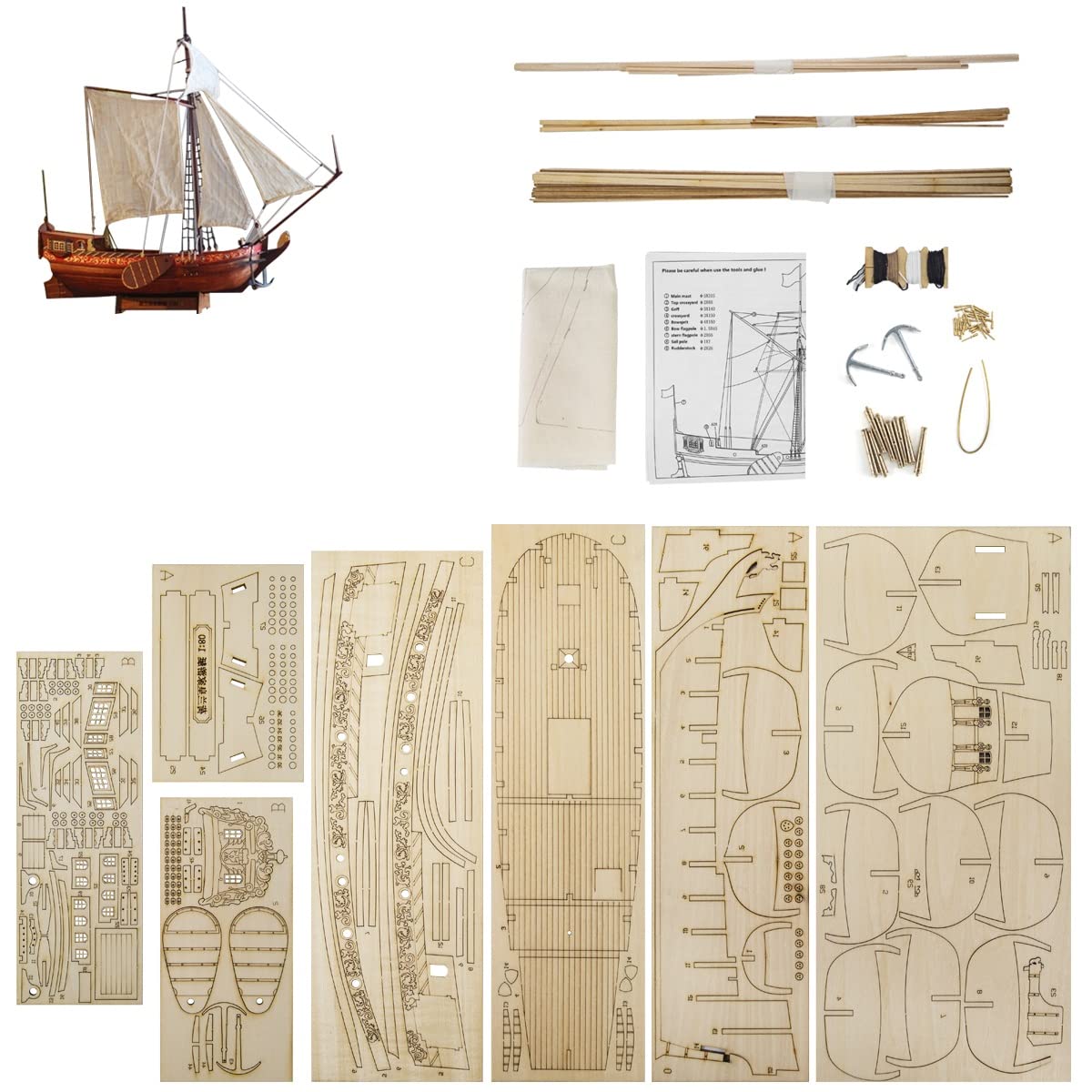
Building a wooden boat from a kit is a rewarding, albeit challenging, endeavor. While many resources detail the *what* of kit contents â€" lumber, hardware, plans â€" few delve into the often-overlooked *why* and *how*. This article addresses those gaps, offering fresh perspectives for both seasoned boat builders and enthusiastic novices. We'll explore the subtle nuances of kit components and offer practical solutions to common challenges.

Beyond the Lumber: Decoding the Kit’s Silent Story

Most boat kit reviews focus on the wood itself. But what about the unseen narrative embedded within the components? Each piece of wood has a story â€" its origin, its drying process, even the subtle variations in grain structure. Understanding this story can significantly impact your build.

Q: Why is wood selection in kits so crucial, beyond the species?

A: The answer goes beyond simply choosing cedar over pine. It's about the kiln-drying process. A poorly dried piece can warp, crack, or even rot during the build. Look for kits that explicitly state their drying methods and moisture content. Reputable kit manufacturers often provide certificates of origin or moisture testing data. This information, while rarely highlighted, is crucial for project success.

Q: What’s the hidden cost of “pre-cut” parts?

A: While pre-cut parts seem convenient, they can hide potential issues. Imperfect cuts can create weaknesses, and you might lack the flexibility to adjust based on your own measurements or wood characteristics. Consider a kit that allows for some degree of customization, even if it means more hands-on work. This will not only create a sense of accomplishment but ensure a stronger, more bespoke final product.

The Unsung Heroes: Hardware and Fasteners

The seemingly minor details â€" screws, bolts, nails, and fittings â€" can significantly impact your boat's longevity and performance. Let's explore some often-missed points.

Q: What type of fasteners should I be looking for in a high-quality kit?

A: Avoid cheap, readily-rusting hardware. Marine-grade stainless steel is the gold standard. Look for fasteners specifically designed for outdoor, wet conditions. This is a critical investment that prevents costly repairs down the line. A good kit manufacturer will explicitly state the grade and material of all their hardware.

Q: How can I assess the quality of the included plans and instructions?

A: Clear, detailed plans with multiple views are essential. A good set of plans should include:

  • Detailed diagrams
  • Clear dimensions and measurements
  • Material specifications
  • Step-by-step instructions with photographs or illustrations
  • A poorly written manual can derail your project faster than any wood-related issue. Online reviews can provide valuable insights into the clarity and accuracy of the plans provided by a specific manufacturer.

    Beyond the Box: Tools and Techniques for Success

    The right tools are as important as the right materials. The quality of your tools can enhance the quality of the build, and can affect your build time and experience.

    Q: What tools go beyond the basic woodworking essentials?

    A: A quality caliper for precise measurements is crucial. A well-calibrated digital angle finder is invaluable when working with angled cuts. Consider a steam box for bending wood, especially for more complex designs. These specialized tools elevate the building experience, and the final product.

    Story Time: The Case of the Missing Clamps

    A seasoned woodworker, John, recently shared his experience with a seemingly complete kit. He quickly discovered that the instructions underestimated the need for clamps. The lack of sufficient clamps not only slowed his progress but also risked compromising the strength of several critical joints. Moral of the story? Always check your clamp inventory *before* you start. Even if your kit claims to have "everything you need," it's always wise to assess your tool collection against the demands of the build.

    By addressing these often-overlooked aspects, we hope to equip aspiring boat builders with a more nuanced understanding of wooden boat kits. Remember, a successful project isn't just about the materials, but also about the knowledge and preparation you bring to the task.

    Read More..

    Top 10 Small Boat Plans for Weekend Builders

    Top 10 Small Boat Plans for Weekend Builders

    Top 10 Small Boat Plans: Beyond the Blueprint â€" A Weekend Warrior's Guide

    Building your own boat is a dream for many, a testament to human ingenuity and a rewarding challenge. But wading through the countless "Top 10" lists of small boat plans can feel overwhelming. This article takes a different tack, focusing less on the plans themselves and more on the often-overlooked aspects crucial to a successful weekend build.

    The Unsung Heroes of Boat Building: Beyond the Wood and Nails

    Most "Top 10" lists focus on the aesthetics and performance of the finished product. But what about the journey? Let's explore some frequently neglected elements:

    Q: What's the most underestimated factor influencing build success?

    A: Realistic Time Management. Many plans optimistically suggest weekend projects. Reality check: Unexpected delays, material sourcing snags, and the inherent complexity of boatbuilding mean adding a significant buffer. Think "multiple weekends," not just one. A recent survey by the American Boat & Yacht Council (ABYC - hypothetical data for illustration) suggests that 70% of weekend boat building projects significantly exceed their initial timeline estimations. Factor in learning curves, tool malfunctions, and the inevitable need for adjustments.

    Q: How can I avoid common design pitfalls?

    A: Embrace Iteration and Prototyping. Before committing to the full-scale build, create a small-scale model (perhaps 1:10 scale) using readily available materials like cardboard or foam. This allows you to test the design, identify structural weaknesses, and refine joinery techniques without investing significant time and resources in potentially flawed plans. This "fail fast, learn faster" approach is often overlooked, but invaluable.

    Material Matters: Beyond the "Recommended" Wood

    Most plans suggest specific wood types. But what if your local lumberyard doesn't stock them? Or what if you want to experiment?

    Q: Can I substitute materials? How?

    A: Yes, but with careful consideration. Understand the properties of the recommended wood (strength, water resistance, workability). Research suitable alternatives with comparable properties. For example, if the plan calls for mahogany, consider alternatives like cedar (lighter, more fragrant, potentially more affordable), but always adjust your construction techniques based on the new material’s characteristics. Consult engineering resources (like online material databases) to ensure your substitution maintains structural integrity.

    Beyond the Plans: Community and Collaboration

    Boat building can be a solitary endeavor, but engaging with a community can be incredibly beneficial.

    Q: Where can I find a supportive community of fellow builders?

    A: Leverage online forums and local woodworking groups. Online forums dedicated to boat building are treasure troves of experience and advice. Additionally, local woodworking clubs and community centers can be excellent resources for connecting with experienced builders and sourcing tools.

    A Real-Life Success Story (Hypothetical, but Illustrative):

    John, an avid woodworker, chose a simple pram design. He meticulously created a scale model, identifying a flaw in the transom design. He adjusted the plans, utilized readily available pine instead of the recommended oak, and documented the entire process, including his modifications and lessons learned on a dedicated blog. The result? A beautiful, seaworthy pram, and a wealth of knowledge shared with others.

    Conclusion: Embracing the Unexpected

    Building your own small boat is a journey, not just a destination. By focusing on realistic expectations, embracing iterative design, and leveraging community support, you can transform what might seem like an intimidating project into an incredibly rewarding and fulfilling experience. Remember, the best "Top 10" list is the one you create through your own process of learning and innovation.

    Read More..

    Wooden Boat Kits for Experienced Builders: Advanced Options

    Monday, December 2, 2024

    Wooden Boat Kits for Experienced Builders: Advanced Options

    Wooden Boat Kits for Experienced Builders: Beyond the Plans

    For seasoned woodworkers, the allure of a wooden boat kit isn't about the ease of construction. It's about the challenge, the artistry, and the opportunity to create something truly special. But many readily available kits cater to beginners. Where do experienced builders find the intellectual and technical stimulation they crave? This article delves into that very question, exploring less-discussed aspects of advanced wooden boat kit building.

    Beyond the Standard Fairing: Reimagining the Hull

    Most kits provide pre-cut lumber and comprehensive plans. But what if you want more? What if you envision a hull with subtly different lines, or want to incorporate a specific type of wood not typically used in boat building?

    Q: How can an experienced builder personalize a standard kit beyond simple cosmetic changes?

    A: The answer lies in understanding the underlying hydrodynamics. Instead of simply following the plans, an experienced builder could consult resources like naval architecture textbooks (e.g., those by Larsson and Eliasson) or online calculators to explore the impact of minor hull modifications. For instance, subtly altering the rocker or adding a fuller section in the stern might improve performance in specific conditions. This requires a deep understanding of boat design principles and possibly the use of CAD software to model and analyze changes before implementing them.

    Q: What are the ethical and practical considerations of significantly altering a kit's design?

    A: Ethically, it's crucial to be upfront about modifications if selling the boat later. Practically, altering the hull significantly might necessitate recalculating stability and buoyancy, potentially requiring consultation with a naval architect. Modifying the structural integrity of the hull demands precise calculations and a thorough understanding of wood mechanics, and could void any warranty or liability coverage.

    Material Mastery: Exploring Exotic and Sustainable Options

    Traditional boatbuilding often favors readily available woods like cedar and mahogany. But what about the possibilities beyond the familiar?

    Q: Can sustainable and less common woods be successfully incorporated into a wooden boat kit?

    A: Absolutely. An experienced builder can explore sustainably harvested hardwoods, such as certain species of teak or sustainably sourced bamboo (requiring specialized techniques). Researching the properties of these materials â€" their density, resistance to rot, and workability â€" is vital. This often requires sourcing from specialized suppliers and potentially adapting building techniques to suit the chosen material's characteristics.

    Q: What are the challenges of working with unconventional materials?

    A: The challenges include finding suitable lumber, understanding its unique properties (e.g., how it reacts to moisture), and potentially modifying construction techniques. For example, bamboo requires different joinery methods than traditional hardwoods. The cost might also be significantly higher, and sourcing might be more difficult.

    Beyond the Kit: Integrating Custom Features

    A seasoned builder likely wants more than just a basic boat. They envision a vessel reflecting their personal style and needs.

    Q: How can a kit become a platform for advanced customization?

    A: Experienced builders can seamlessly integrate custom features. This might involve designing and installing a unique rigging system, integrating sophisticated electronics (GPS, depth sounder, etc.), or creating bespoke storage solutions. This necessitates a solid understanding of electrical systems, rigging principles, and possibly even advanced woodworking techniques like steam bending or inlay work.

    Story Example:

    A friend, a master craftsman, took a classic clinker dinghy kit and transformed it. He didn't just build it; he elevated it. Using locally sourced reclaimed chestnut, he created stunning hull planks, carefully selecting each piece for its grain and color. He then incorporated custom-made bronze fittings and installed a unique, self-designed sail system. The result? Not just a boat, but a floating work of art, a testament to his skill and vision â€" a story that far exceeds the standard kit narrative.

    In conclusion, for seasoned builders, wooden boat kits are not merely pre-packaged projects. They are springboards for creativity, innovation, and the creation of truly bespoke watercraft. The journey lies not just in following instructions, but in pushing boundaries, exploring new materials, and crafting a vessel that reflects the builder's unique expertise and vision.

    Read More..